Patio Roof Planning Tips Before You Upgrade Your Outdoor Living Area

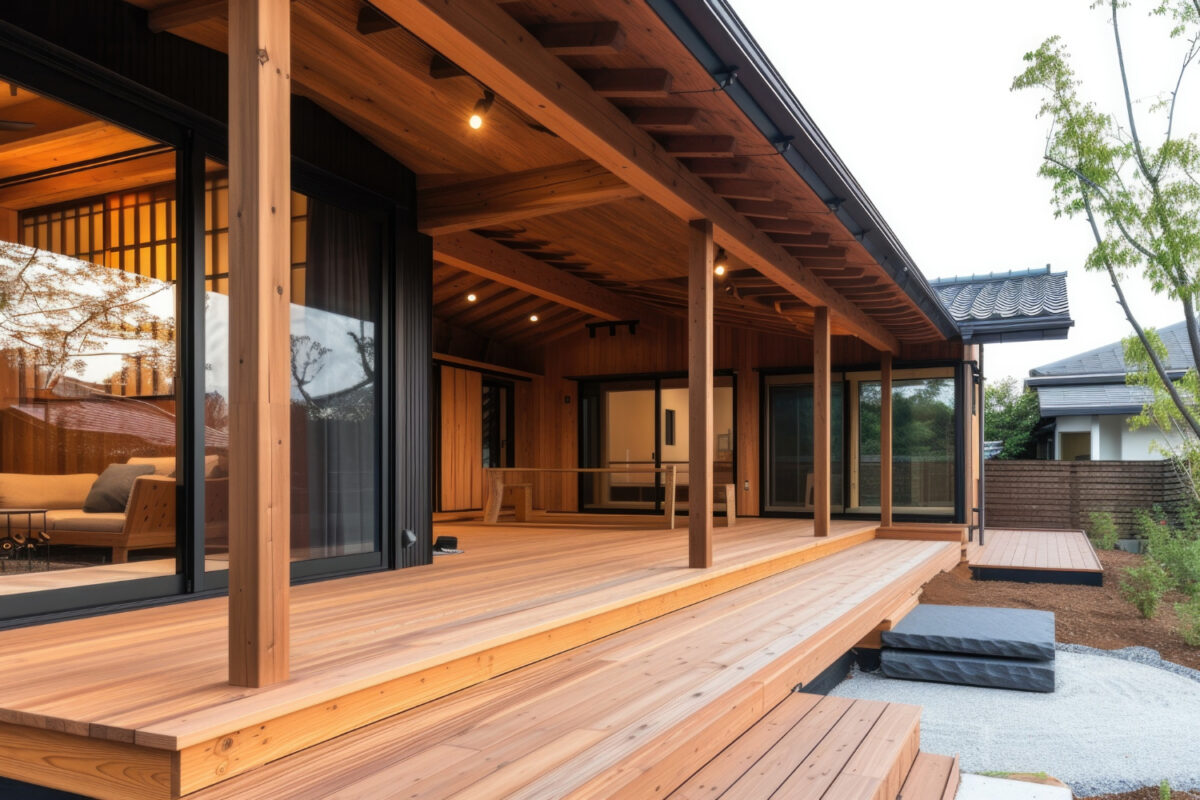
A new patio roof can completely change the way you enjoy your backyard. It gives you a comfortable place to relax, entertain friends, or spend time with family and adds value to your home. However, before choosing colors, materials, or finishes, it’s worth taking a step back and planning the project carefully. A little preparation can help you to avoid costly changes later and ensure that your investment works well for years to come.
Start with How You’ll Use the Space
If your patio will become an outdoor dining area, then you’ll need enough covered space for a table and comfortable seating. If you are thinking of weekend barbecues or family gatherings, then you must think about room for cooking, entertaining, and easy movement. Homeowners who are looking for a quiet retreat may prioritize privacy and shade.
Choose a Roof That Fits Your Home
A patio roof should feel like a natural extension of your house. That’s why it’s important to look at your home’s roofline, exterior finishes, and architectural style before selecting a design. Matching materials and colors often create a cleaner appearance and help the addition blend into the existing structure.
At the same time, don’t overlook practical considerations like roof pitch, water runoff, and local building requirements for Florida homes.
Plans for Florida’s Climate
Florida weather is challenging; that’s why it deserves careful planning.
Shade and Ventilation
Strong sunshine, high humidity, and warm temperatures make airflow important. A well-designed patio roof should provide generous shade and allow heat to escape, which creates a more comfortable outdoor environment throughout the year.
Drainage and Rain Management
Heavy afternoon rainstorms are common across Florida. Proper drainage prevents water from pooling around your patio, which reduces the risk of structural damage and keeps the area usable after storms.
Planning for hurricane season also means selecting products that are designed to perform under demanding weather conditions.
Integrate Your Patio Roof with Patio Doors and Patio Windows
A thoughtfully planned patio roof should work together with your patio doors to create a smooth transition between indoor and outdoor areas. Wide sliding doors or impact-rated glass doors can make the patio feel like an extension of your living room and bring in more daylight.
The same applies to patio windows. Their placement influences natural light, views, ventilation, and overall comfort. Choosing impact-rated windows also adds another layer of protection against severe Florida weather while improving energy efficiency.
Select Durable Materials That Require Less Maintenance
Outdoor structures of your home often face constant exposure to sun, moisture, salt air, and heavy rain. That’s why it is important to choose materials which can resist fading, corrosion, and moisture damage to reduce maintenance over time. Investing in quality products from the beginning often lowers repair costs and extends the lifespan of your outdoor living area.
Set a Realistic Budget
Planning your budget early helps you to prioritize important features. Apart from construction costs, remember to consider lighting, ceiling fans, drainage improvements, permits, and impact-rated products if they’re part of the subject. Spending wisely prevents your unexpected expenses in the future.
Partner with Experienced Professionals
A patio roof is a long-term investment in Florida’s demanding climate. Working with professionals who understand the local weather conditions, building costs, and hurricane-resistant products gives you confidence that every part of the project is designed for lasting performance.
If you’re planning to upgrade your outdoor living area, 1st Choice Hurricane Protection is here to help you choose impact-rated patio doors and patio windows that boost comfort and prepare your home for Florida’s changing weather. Reach out to our team today to discuss your project and find options that fit your home’s style, needs, and budget.